PAIN & MOBILITY CARE
Move with less pain.
Live with more freedom.
Practical physiotherapy for persistent aches, recurring flare-ups and movement that no longer feels easy.
Book an assessment HOW WE HELP
More than symptom relief.
A plan for real life.
Pain can change how you work, sleep and move through the day. We look beyond the painful area to understand the movements, habits and physical demands contributing to your symptoms, then build a plan that feels achievable.
Back and neck painShoulder and joint stiffnessSciatica and nerve symptomsPosture-related discomfortRecurring muscle strainsArthritis and reduced mobility
YOUR FIRST VISIT
Understanding the whole picture
Your assessment begins with a conversation about when the problem started, how it behaves, what has already been tried and which activities have become difficult. We also consider sleep, work demands, exercise history, general health and any previous injuries.
The physical examination is focused rather than one-size-fits-all. It may include movement, strength, joint mobility, balance, walking or neurological checks. The findings help us decide whether physiotherapy is appropriate and create a useful starting point for measuring change.
- A clear explanation of the assessment findings
- Goals based on activities that matter to you
- A manageable starting plan for home and daily life
ACTIVE REHABILITATION
Building tolerance through movement
For many musculoskeletal problems, gradually returning to meaningful activity is more useful than prolonged rest. Exercise may begin with comfortable movement or simple isometric work and progress toward strength, endurance and the tasks your day requires.
The correct dose is individual. Some mild, short-lived discomfort can occur when a sensitive area is loaded, but exercise should not cause a major or lasting deterioration. We use your response during the session and over the following day to adjust range, resistance, repetitions and frequency.
- Mobility work where movement is genuinely limited
- Progressive resistance for muscles and tendons
- Walking or aerobic activity to improve general capacity
LONG-TERM MANAGEMENT
Confidence beyond the clinic
Pain does not always match tissue damage, particularly when symptoms have been present for a long time. Understanding what influences symptoms can reduce fear and make movement feel safer. We help you distinguish a manageable flare-up from a change that needs medical review.
As function improves, treatment becomes less clinic-dependent. Your programme is simplified into a sustainable routine, with strategies for busy weeks, travel and future flare-ups. The aim is not perfect movement—it is having enough capacity and confidence for the life you want to lead.
- Pacing without avoiding all challenging activity
- Practical adjustments for work, sleep and lifting
- A maintenance plan you can continue independently
When medical review mattersSeek urgent medical care for new bladder or bowel changes, numbness around the groin, weakness or numbness in both legs, severe rapidly worsening pain, fever or symptoms after significant trauma.
WHAT TREATMENT MAY INCLUDE
Practical care.
Purposeful movement.
Your programme is selected after assessment and adjusted to your symptoms, health, goals and response to treatment.
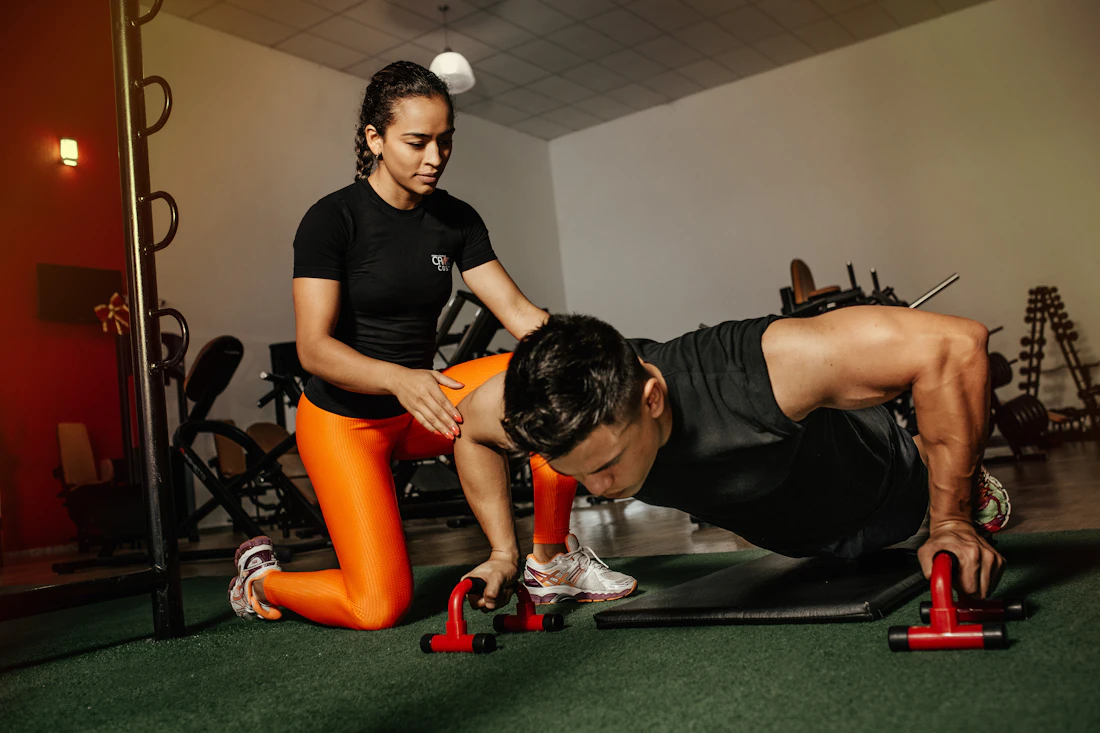
Movement and strength assessment
We examine the movements that reproduce or ease symptoms, then assess mobility, strength, balance and relevant nerve function.

Individual exercise therapy
A manageable programme may combine mobility, control, aerobic activity and progressive resistance based on what you need to return to.

Education and self-management
You learn how to modify aggravating tasks, pace activity and respond to flare-ups without unnecessary fear or prolonged rest.
YOUR RECOVERY PLAN
Clear steps.
Measured progress.
- 01
Assessment and clarity
We listen to your story, assess movement and explain the findings in plain language.
- 02
Focused treatment
Your early plan targets symptom relief and the movements that matter most to you.
- 03
Stronger movement
We gradually build mobility, strength and confidence to reduce future flare-ups.
START YOUR RECOVERY
Ready to move
with confidence?